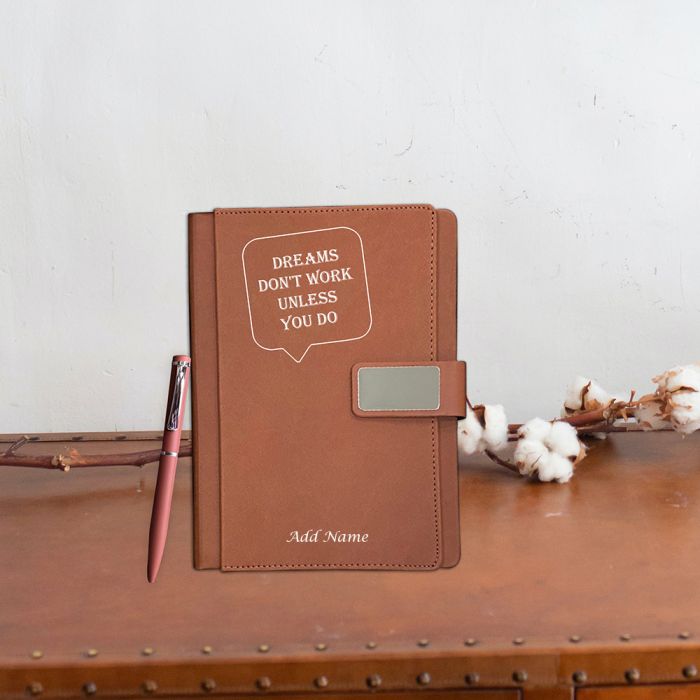
Choosing a useful present becomes easier when its purpose matches the recipient’s daily habits. Personalised Diaries can suit many routines because writing needs differ from one person to another. Some prefer simple schedules while others enjoy recording notes, goals, reminders, or ideas. A suitable choice should reflect these habits rather than rely on guesswork alone.
Searches around this topic usually focus on finding a practical present that still feels personal. The main concern is often matching the format, writing space, and style with someone’s routine. Without a clear structure, choices can become confusing, and unsuitable options may be selected.
Matching Choices to Daily Habits
A useful selection starts by observing regular writing needs.The right format should support activities already present in daily routines.
Important Points
- Notice whether the recipient prefers brief notes or detailed entries.
- Consider writing frequency before selecting page layouts or sizes.
- Check whether schedules require date reminders or open writing areas.
- Choose practical features that match established personal habits.
A simple habit-based approach can reduce unnecessary choices.

Considering Personal Style And Preferences
Personal taste can affect whether a diary becomes useful after receiving it.Some people prefer clean pages with limited visual details.Others may enjoy additional spaces for notes or creative marks.
Writing habits can also change according to work or study routines.The main goal is finding a format that feels natural to use.A suitable choice should support existing habits rather than create extra work.
Choosing Formats for Different Needs
Different routines call for different page arrangements and writing space.A person managing many appointments may need clear date sections.Someone recording ideas may value larger open areas.
Another recipient may prefer compact pages for quick daily notes.Small details can affect regular use more than appearance alone.Page spacing should remain practical for the expected amount of writing.
Common Benefits
- Dated sections help users arrange appointments and recurring responsibilities.
- Open pages provide room for notes that need extra detail.
- Compact formats suit short entries during busy working periods.
- Dedicated areas can separate reminders from general personal notes.
These differences make format selection an important part of thoughtful giving.
Adding Personal Details Without Excess
A personal touch does not need complicated decoration or excessive additions.A name, initials, or short message can create a distinct item.The chosen detail should remain suitable for the recipient’s preferences.
Too many additions may reduce the simple practical value.Personal details work best when they support regular ownership.The result should remain useful rather than becoming difficult to maintain.
Reviewing Quality Before Making Choices
Material quality can affect writing comfort and long-term use.Paper should suit common writing tools without creating unnecessary problems.
Binding should remain secure through regular opening and closing.Cover construction should also support repeated handling during daily routines.
These checks matter because appearance alone cannot show practical durability.A careful review can prevent disappointment after the item arrives.
Selecting Options for Working Routines
Working schedules often involve meeting reminders, deadlines, and private notes.A suitable diary can separate these areas for easier checking.
Clear date arrangements can support planning without requiring complex methods.Extra writing space can help record unexpected changes during busy periods.
The limitation is that working needs vary considerably between recipients.A format suitable for one routine may feel restrictive elsewhere.
Supporting Study and Creative Habits
Some recipients need pages for ideas, notes, lists, and personal projects.Others may prefer simple date-based planning for regular commitments.Open sections can support flexible writing when activities change frequently.Small note areas can also prevent useful thoughts from being forgotten.
The main consideration remains available writing space.Too little room can make regular entries difficult to maintain.
Building A Simple Selection Process
A clear process can make choosing easier without relying on assumptions.Start by identifying the recipient’s usual writing habits.Then compare page structure, size, and personal details.Personalised Diaries can become more suitable when these factors receive attention before selection.
Helpful Approaches
- Identify routine requirements before comparing different available formats.
- Match page spacing with the recipient’s usual writing volume.
- Review personal details carefully before confirming the chosen option.
- Consider whether the recipient values structure or flexible writing.
- Check construction details before focusing on decorative elements.
- Keep the selection practical enough for repeated everyday use.
A short process can reduce mistakes while keeping the choice focused.
Frequently Asked Questions
What should guide the choice of a diary format?
Daily habits, writing volume, page structure, and personal preferences should guide selection.
Are dated pages useful for busy routines?
Yes, they help organise appointments, reminders, deadlines, and recurring responsibilities.
Should open writing areas be included?
They help when recipients regularly record ideas, notes, or longer thoughts.
Does personalisation need to be extensive?
No, simple personal details can create distinction without reducing practical usefulness.
Why does page spacing matter?
Suitable spacing prevents crowded entries and supports comfortable regular writing.
Should appearance influence the selection?
Appearance matters, but practical features should match the recipient’s actual routine.
Making The Choice More Practical
A suitable present combines personal relevance with everyday usefulness. The best selection process starts with observation rather than assumptions. Writing habits reveal more than surface preferences alone. Page structure should support the recipient’s normal activities. Personal details should add distinction without reducing practical value.