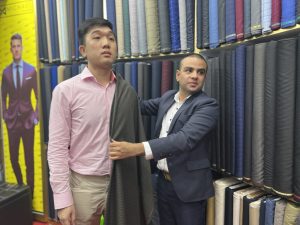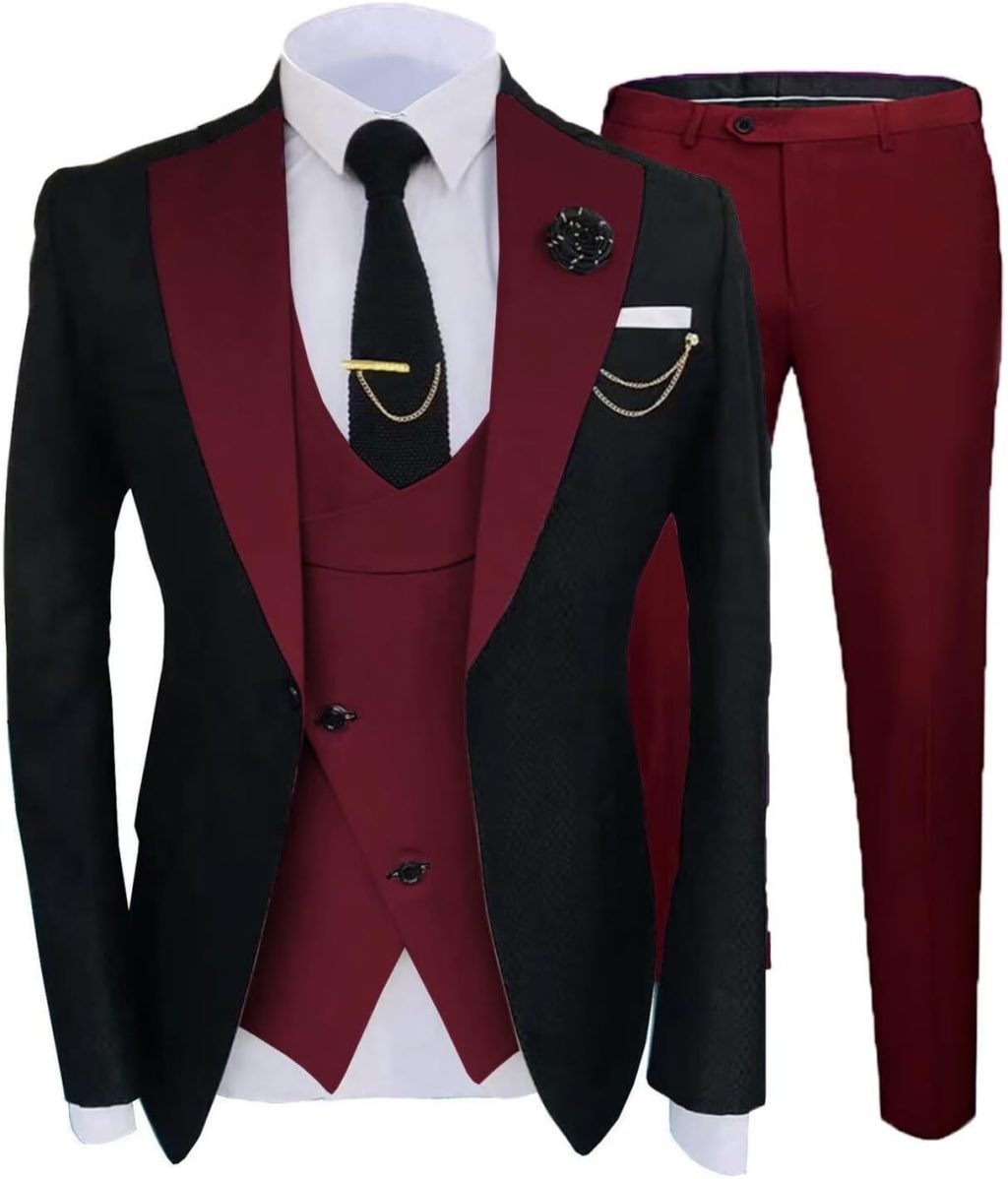
Clothing becomes more personal when small choices shape its design. A bangkok tailor shop can turn those choices into measured details. The process begins with preferences, then considers posture, routine, climate, and purpose. Each decision affects another part of the garment. Fabric changes the drape, while proportions influence the overall impression. In this way, personal taste becomes something practical and visible.
Measurements Give Personal Style Its Shape
A tailor starts by studying the wearer’s natural proportions. Shoulder angles, arm length, posture, and chest shape matter. These details guide the pattern before fabric reaches the cutting table. During fitting, further adjustments reveal how clothing moves. That process creates balance without forcing a standard silhouette.

Which Details Reveal Individual Taste?
Personal character often emerges through modest design choices. A wider lapel can create stronger definition. Softer shoulders can give a relaxed appearance. Trouser rise can also change comfort and proportion. Such decisions work together rather than standing alone.
Useful choices may include:
- A fabric texture suited to regular wear.
- Buttons selected for subtle visual contrast.
- Pocket placement based on daily habits.
- Trouser proportions matched with preferred footwear.
Fabric Selection Connects Clothing With Routine
Fabric carries both practical and visual meaning. A lighter weave can support movement during warm days. Heavier material may provide structure for formal settings. At a bangkok tailor shop, fabric discussions can connect personal taste with daily needs. The right choice therefore serves comfort while shaping the garment’s character.
Can Fittings Change The Final Impression?
Fittings reveal details that measurements cannot fully predict. A sleeve might restrict movement during ordinary gestures. A jacket could also need more room across one shoulder. Once noticed, these issues can guide precise corrections. That stage matters because comfort affects how confidently clothing gets worn.
Several checks can shape the final result:
- Shoulder movement should remain natural during motion.
- Sleeve length needs visual balance with cuffs.
- Trouser breaks should suit chosen shoes.
- Waist placement can affect the whole silhouette.
Craftsmanship Brings Personal Choices Together
Once the design settles, construction determines how those decisions read. Clean edges support the chosen shape. Careful pressing helps seams sit correctly. Lining, stitching, and finishing details also affect movement and appearance. Yet craftsmanship should serve the design rather than compete with it. The strongest result often feels considered without looking complicated.
Personal Preferences Can Become Style Signatures
Over time, repeated choices can create recognition. Someone may favor softer shoulders, higher trousers, or muted textures. Those preferences can travel across jackets, shirts, and formal pieces. Eventually, clothing starts reflecting habits as much as taste. A small preference, repeated with care, can become a defining visual detail.
FAQs
What makes bespoke tailoring personal?
Individual measurements and design choices guide the garment from start to finish. The result reflects proportions, comfort needs, fabric taste, and lifestyle.
Why do fittings matter so much?
Fittings show how a garment behaves during ordinary movement. Adjustments can then improve balance, comfort, and overall appearance.
Can fabric influence personal style?
Fabric affects texture, drape, structure, and everyday comfort. Its weight and weave can also suit specific occasions.
Does distinctive clothing need bold details?
Distinctiveness can come from restrained choices and careful proportions. Small features can become recognizable when used consistently.